The First 90 Days of Fatherhood: What Actually Matters (and What Doesn’t)

There’s a version of early fatherhood that lives in your head before the baby arrives. It’s tidy. It’s organized. You imagine yourself stepping into the role with calm confidence, handling sleepless nights like a champ, bonding instantly, and somehow keeping your life together.
Then the baby shows up—and everything gets louder, messier, and far more human.
The first 90 days aren’t about perfection. They’re about survival, adjustment, and quietly becoming someone new. Not all advice is equal during this phase, and a lot of what you think matters simply doesn’t.

What Actually Matters in the First 90 Days
1. Showing Up (Even When You’re Useless)
You will have moments where you genuinely don’t know what to do. The baby won’t settle, your partner is overwhelmed, and everything feels like guesswork.
Here’s the truth: your presence matters more than your competence.
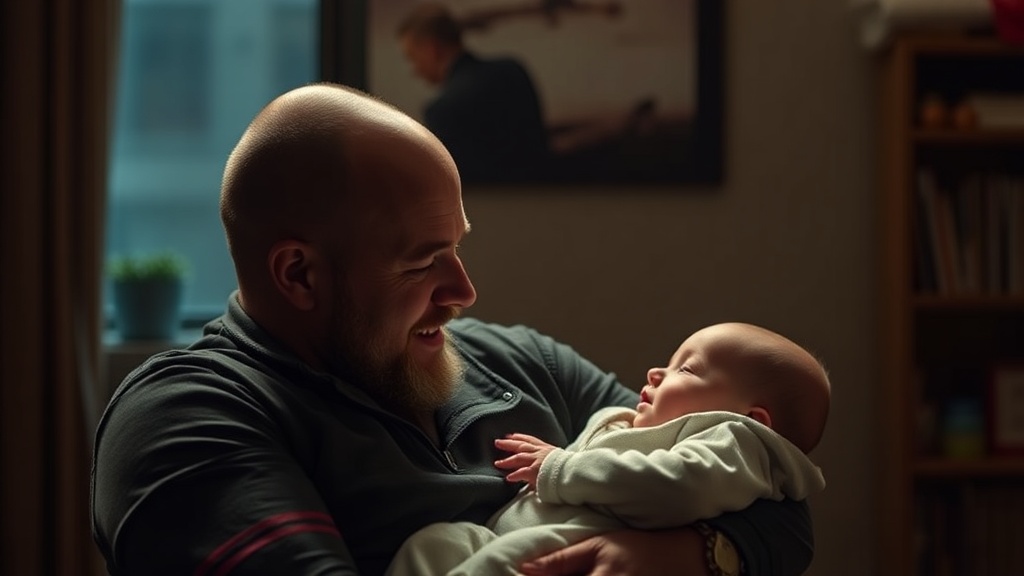
Holding the baby while your partner showers. Sitting beside them during a 3 a.m. feeding. Being awake, even if you’re not "fixing" anything—this is the job.
New dads often think they need solutions. What your family needs is consistency.
2. Protecting Your Partner’s Recovery
The early weeks are physically and emotionally intense for your partner. Whether it’s recovery from birth, hormonal swings, or sheer exhaustion, this is not a 50/50 moment—it’s a 70/30, sometimes 80/20 stretch.
That doesn’t mean you’re less important. It means your role shifts:
- Handle logistics (meals, laundry, errands)
- Run interference with visitors
- Watch for signs of burnout or distress
If you do this well, you create stability in a very unstable time.
3. Learning Your Baby (Not the Internet’s Baby)
You will be tempted to Google everything. Sleep schedules. Feeding intervals. Developmental milestones.
Some of that helps. Most of it overwhelms.
Your baby is not a checklist. They are a pattern you learn over time. The way they cry when they’re hungry is different from when they’re overtired. The way they settle with you will change week to week.
Pay attention to your actual child, not an idealized version online.

4. Sleep—But Redefined
You’re not getting eight hours. Stop chasing it.
Instead, think in fragments. Two hours here. Ninety minutes there. Tag-team naps. Sleeping when the baby sleeps isn’t always realistic, but strategic rest is.
More importantly, protect each other’s sleep. Even a single uninterrupted stretch can reset your entire day.
5. Small Wins Over Big Plans
The early phase is not the time for ambitious routines or major life changes. If you keep everyone fed, relatively clean, and emotionally afloat, you’re doing well.
Celebrate small wins:
- A successful diaper change without chaos
- A calm 10-minute stretch
- Your partner getting a real nap
These are not trivial. They are the foundation.
What Doesn’t Matter (But You’ll Think It Does)

1. Having It All Figured Out
You won’t. Nobody does.
Confidence in early fatherhood doesn’t come from knowing everything—it comes from staying steady when you don’t.
2. Perfect Routines
You’ll hear about ideal schedules. Wake windows. Feeding charts.
They can be helpful frameworks, but they’re not rules. In the first 90 days, flexibility beats structure.
3. Keeping Your Old Life Intact
Your routines, hobbies, and even your sense of time will shift. Trying to preserve everything exactly as it was creates friction.
Instead of resisting the change, lean into it. This phase is temporary, but it’s also defining.
4. Comparing Yourself to Other Dads
Some dads look like naturals. Others seem completely overwhelmed. Social media will amplify both extremes.
Ignore it.
Your experience is your own, and comparison will only distort it.
5. Getting It "Right" Every Time
You will make mistakes. You will misread cues. You will have moments you wish you handled differently.
This is not failure—it’s learning in real time.
The Shift That Changes Everything

Somewhere in those first 90 days, something subtle happens.
You stop feeling like a guy taking care of a baby—and start feeling like a dad.
It’s not a single moment. It’s a series of small realizations:
- You recognize your baby’s cry instantly
- You handle situations without second-guessing
- You feel protective in a way that surprises you
This shift doesn’t come from reading more or preparing better. It comes from showing up, over and over.
Practical Ground Rules That Help
Communicate More Than Feels Necessary
Exhaustion creates misunderstandings. Say what you need. Ask what your partner needs. Don’t assume.
Lower the Bar (Seriously)
If your expectations are too high, everything feels like failure. Adjust the bar to match reality.
Create One Simple System
It could be a feeding log, a shift schedule, or a shared notes app. One system reduces mental load.
Get Outside When You Can
Even a short walk resets your mood. Fresh air helps more than you think.
Accept Help Without Overthinking It
If someone offers to bring food or run an errand, say yes. This is not the time to prove independence.

What You’ll Remember Later
You won’t remember the exact number of diapers or how many hours you slept.
You’ll remember moments:
- The first time your baby settles on your chest
- The quiet nights when the world feels small and still
- The look between you and your partner when you both realize—you’re doing it
The first 90 days are intense, but they’re also fleeting. It doesn’t feel that way in the moment, but it’s true.
Final Thought
If you strip everything down, early fatherhood is about three things: presence, patience, and partnership.
You don’t need to master it. You just need to stay in it.
That’s what actually matters.