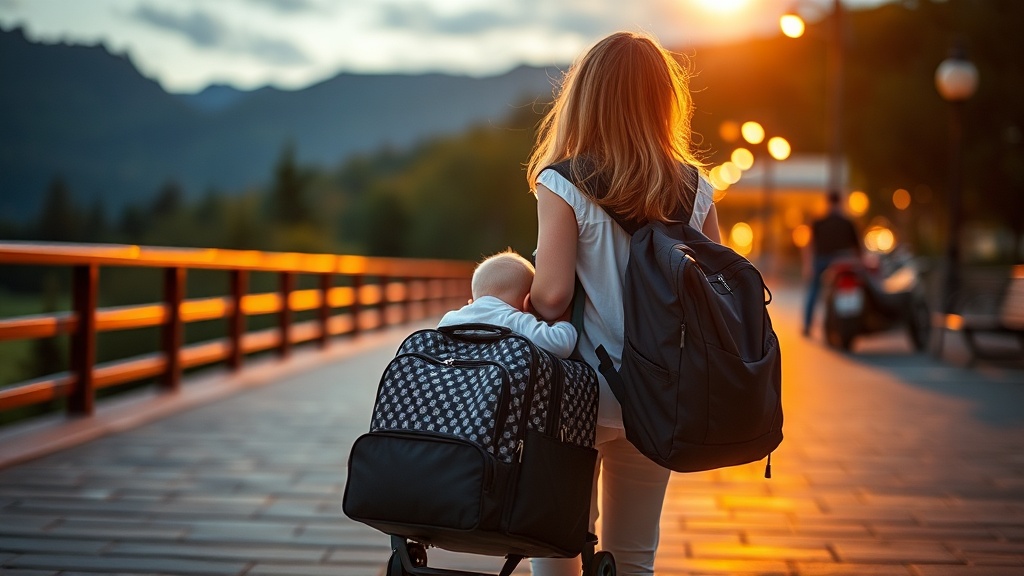
Packing for a Weekend Away with a Diaper Bag in Tow

Have you ever looked at your suitcase, looked at your diaper bag, and wondered if you actually need to bring the entire house with you? Packing for a weekend away with a baby or toddler is a different beast than packing for a solo trip or even a partner. It’s about managing logistics, predicting messes, and ensuring you aren't caught without a spare onesie in a strange hotel room. This guide breaks down how to organize your gear, what to pack, and how to keep your sanity while traveling with small humans.
How do I pack a diaper bag for a weekend trip?
The best way to pack a diaper bag for a weekend is to organize it by frequency of use, keeping daily essentials in easy-access compartments while stashing bulkier items at the bottom. You shouldn't just throw everything in a single large compartment. That's a recipe for a mid-flight or mid-drive meltdown.
Think of your bag in layers. The top layer is for the things you'll reach for every thirty minutes—wipes, a pacifier, or a small snack. The middle layer is for the "just in case" items—a change of clothes for the baby and a spare shirt for you (because spills happen). The bottom layer is for the heavy hitters—the extra packs of diapers or the larger toy kits.
I highly recommend using the Sistema stackable containers or small Stasher silicone bags to keep different types of items separated. It keeps the "wet" stuff away from the "dry" stuff. If you’re using a backpack-style bag, like the Patagonia Black Hole or a dedicated Skip Hop, make sure you have a dedicated waterproof pouch for soiled clothing. Trust me, you don't want a blowout to ruin your entire weekend's wardrobe.
Here is a quick breakdown of how to categorize your gear:
- The Immediate Access Tier: Diaper cream, wipes, one diaper, and a pacifier.
- The "Oops" Tier: One full change of clothes, a portable changing pad, and a small trash bag.
- The Comfort Tier: A small, familiar toy or a soft blanket to help with sleep in new environments.
- The Utility Tier: Hand sanitizer, extra bibs, and a small first-aid kit.
What are the best travel essentials for babies?
The best travel essentials for babies are portable, multi-functional, and highly durable items that reduce the amount of gear you have to carry. You want items that serve more than one purpose to save space in your luggage.
If you are traveling by car, a Bebe Connoisseur or similar high-quality travel pillow can help with naps. If you're flying, a lightweight stroller like the Babyzen YOYO2 is a lifesaver because it fits in most overhead bins and handles tight aisles with ease. It’s much better than wrestling a massive jogging stroller through an airport terminal.
Don't forget the tech side of things. If you're a parent who relies on a sound machine to get the baby to sleep in a noisy hotel, a portable version of the Hatch Rest (or a battery-operated white noise machine) is a non-negotiable. It provides a sense of familiarity that can prevent a 3:00 AM wake-up call.
For nutrition, avoid bringing massive containers of formula or bulky milk bottles if you can. Instead, use travel-sized dispensers or high-quality silicone pouches. This is especially helpful if you're also trying to manage smart grocery shopping with a hungry toddler while on the move. You want to be able to grab a snack and go, not spend ten minutes searching for a lid.
| Item Category | Must-Have Example | Why It Matters |
|---|---|---|
| Feeding | Silicone Snack Cup | Prevents spills and mess in the car/plane. |
| Sleep | Portable White Noise Machine | Creates a familiar environment anywhere. |
| Hygiene | Travel-sized Wipes | Essential for quick cleanups on the fly. |
| Entertainment | Suction Toy | Keeps them busy in high chairs or strollers. |
How much gear should I bring for a 2-day trip?
For a two-day trip, you should pack enough for approximately 1.5 times the number of expected changes to account for unexpected messes. If your child goes through two diapers a day, pack at least six. It's better to have three extra diapers in the bag than to be hunting for a CVS at 11:00 PM.
The goal is to avoid the "over-packer" trap. I've been there—packing five different outfits for a single night away—and it's exhausting. Instead of bringing more clothes, bring more utility. A single high-quality onesie can often be worn twice if you have a portable changing station or a good travel mat.
When it comes to clothing, stick to a color palette. If every top goes with every bottom, you'll save a lot of mental energy. This is a simple way to ensure you're not digging through a bag for a specific patterned shirt while your kid is crying. (And let's be real, we've all been there—the stress of a missing sock is real.)
If you're worried about the cost of all this extra gear, remember that many of these items can be repurposed. You might want to look into child development milestones to see what age-appropriate toys or tools might be most useful for your child's current stage, rather than just buying everything on a "travel" list.
One thing to keep in mind: always check the weather at your destination. A weekend in the mountains is a completely different packing job than a weekend at the beach. A lightweight rain cover for your stroller is a great investment that works for both, but you'll want different types of layers for the actual clothes.
If you're traveling with an older child, you might find yourself needing to manage their screen time or digital engagement more frequently to keep them calm in transit. I've written about digital balance for young minds, and it's a useful perspective when you're deciding which tablets or handheld games are worth the battery drain and the weight in your bag.
Lastly, don't forget the "dad essentials." Your own bag shouldn't be an afterthought. A small tech pouch for your chargers, a portable power bank, and a basic first-aid kit for yourself (aspirin, bandaids, etc.) will keep you from being the person asking the hotel front desk for a Tylenol at midnight. It's about being the prepared parent, not the one scrambling.