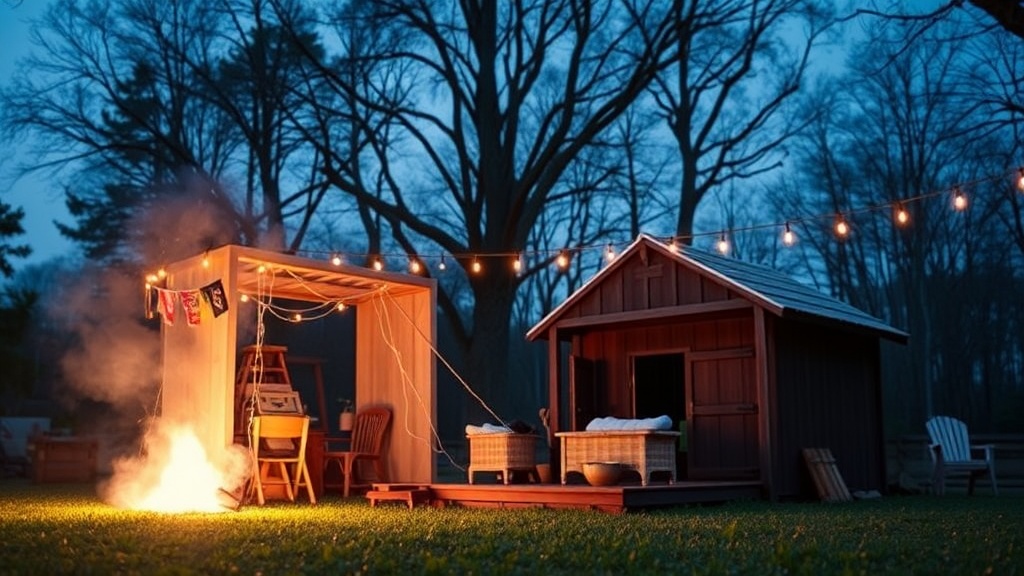
Building a Backyard Adventure Kit for Your Toddler

Are you tired of your toddler wandering aimlessly around the yard while you try to drink a lukewarm coffee? A Backyard Adventure Kit turns a simple patch of grass into a structured learning environment by providing the right tools for tactile exploration. This guide covers how to select, organize, and maintain a collection of age-appropriate gear that encourages outdoor play and sensory development.
What Should Be in a Toddler's Outdoor Exploration Kit?
A great kit focuses on sensory engagement, durability, and portability. You don't need a massive budget to make this work—just a few intentional pieces that spark curiosity. Instead of buying expensive, single-use toys, look for tools that encourage open-ended play.
Start with a sturdy, child-sized backpack or a bright plastic bucket to hold everything. This makes it easy for them to carry their "treasures" around the yard without needing your help every five minutes. (Believe me, the independence they feel when carrying their own gear is huge.)
Here are the core categories of items you'll want to include:
- Observation Tools: A high-quality magnifying glass (like the ones from Melissa & Doug) and a pair of kid-friendly binoculars.
- Collection Tools: A small metal shovel, a wooden spoon, and a few different sized containers for catching water or dirt.
- Nature Identification: A simple field guide or a laminated card set showing local birds, bugs, or leaves.
- Artistic Tools: Chalk, a small sketchbook, and some washable watercolor paints for painting rocks or sticks.
The goal isn't to buy every gadget on the market. It's about giving them a way to interact with the world. If they find a cool rock, they should have a way to look at it closely. If they find a puddle, they should have a way to move it.
How Much Does a Backyard Adventure Kit Cost?
You can build a high-quality kit for anywhere from $30 to $150 depending on whether you buy new or hunt for secondhand treasures. Most parents find that a budget of $50 covers all the basics if they shop smart.
If you head to a local thrift store or check out Facebook Marketplace, you can find incredible deals on items like plastic buckets, gardening tools, and even old binoculars. It's actually better for the environment, too. You can check the EPA guidelines on recycling and reuse to see how much gear can be repurposed effectively.
Here is a quick breakdown of what to expect when shopping for different quality tiers:
| Kit Tier | Estimated Cost | What You Get |
|---|---|---|
| The Budget Builder | $20 - $40 | Plastic buckets, basic magnifying glass, and chalk. |
| The Enthusiast | $50 - $100 | Real binoculars, metal trowels, and a sketchbook. |
| The Premium Explorer | $150+ | Brand-name gear like Patagonia outdoor wear and professional-grade magnifying lenses. |
Don't feel pressured to go for the premium tier immediately. A kid doesn't care if their shovel is made of high-grade aluminum or colorful plastic. They just want to dig. If they get hooked on the "science" of it, then you can upgrade later.
How Do You Keep Toddlers Safe While Exploring?
Safety involves two main steps: checking the environment for hazards and ensuring the tools are age-appropriate. You want to encourage exploration, not a trip to the urgent care center.
First, do a quick sweep of your yard before the kit comes out. Look for any sharp sticks, wasp nests, or areas where the ground is too uneven. Even a well-maintained yard has surprises. It's a good idea to keep an eye on them, but try to give them enough space to work through small challenges on their own. This builds resilience.
Second, check the physical tools. Avoid anything with small parts that could be a choking hazard. If you're using magnifying glasses, ensure the lenses are shatterproof. If you're using paints, make sure they are non-toxic. You can always double-check product safety standards on the Consumer Product Safety Commission website to be certain.
One thing to watch for is the weather. A sudden change in temperature can catch a toddler off guard. If you're using the kit in the early morning, make sure they have a warm layer. A simple fleece or a light jacket makes a big difference in how long they'll stay engaged before they get cold and cranky.
If you find that the outdoor time is causing more stress than joy, it might be a sign to pivot. Sometimes, the transition from high-energy outdoor play to a calm indoor environment is the hardest part. If you need help managing that transition, look at my post on 4 Ways to Stay Calm When the Toddler Chaos Hits. It's a lifesaver when the backyard fun turns into a meltdown.
When building your kit, think about the "why" behind each item. A magnifying glass isn't just a toy; it's a tool for looking at the veins in a leaf. A bucket isn't just a container; it's a vessel for a mud pie. When you frame it this way, the kit becomes an educational tool rather than just a pile of stuff.
The beauty of a backyard kit is that it grows with them. What starts as a bucket and a plastic shovel can eventually become a more sophisticated set of tools as their motor skills and curiosity evolve. It’s an investment in their curiosity, and that's worth every penny.
Steps
- 1
Gather Natural Elements
- 2
Select Durable Tools
- 3
Create a Sensory Station
- 4
Introduce a Discovery Journal